Why Does Concrete Crack in Casper, Wyoming? Causes & How to Prevent It

October 5, 2026
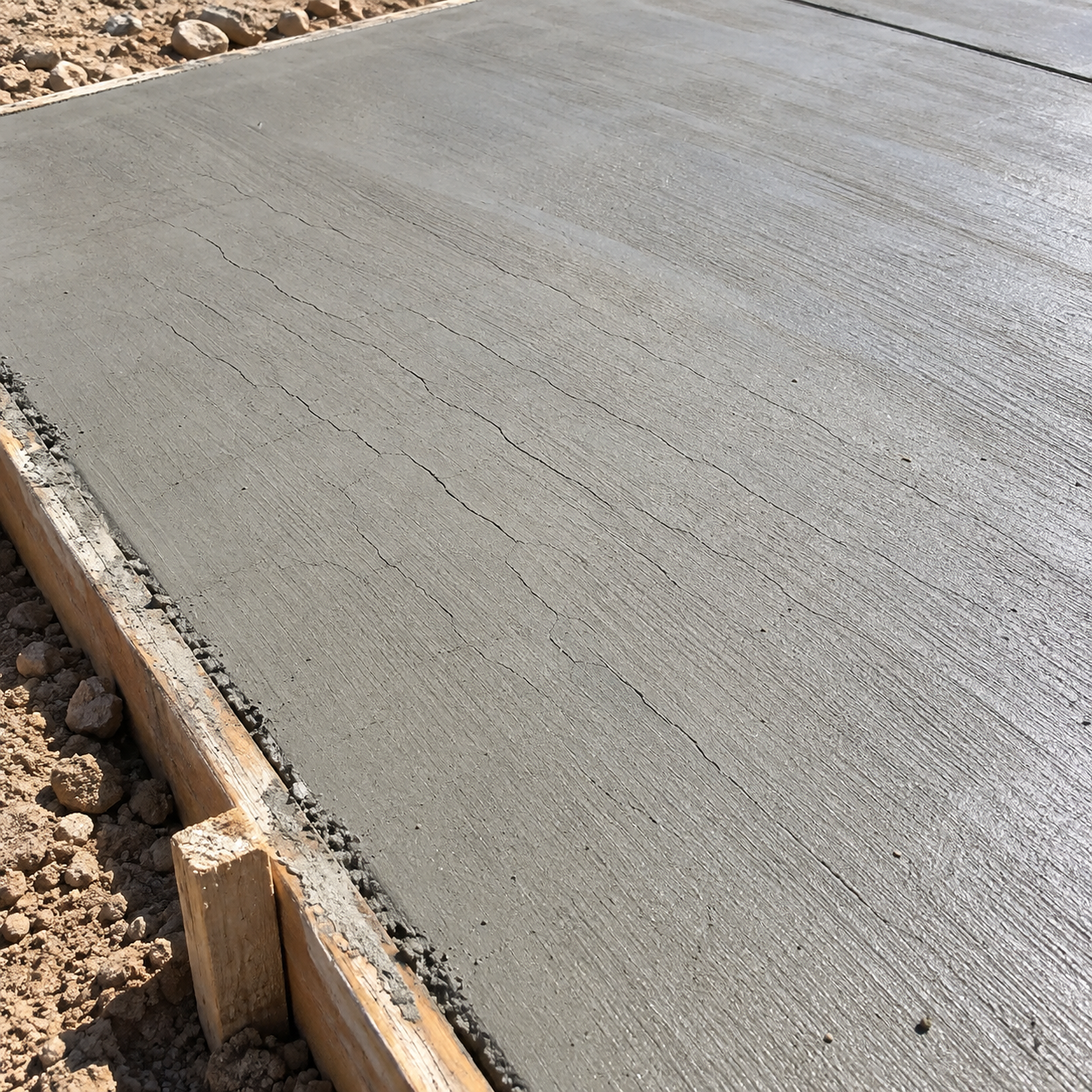
Fine plastic shrinkage cracks across a freshly finished concrete slab in Casper, Wyoming

Every concrete slab in Casper will crack. The question is not whether, but when, where, and how badly. Concrete is strong in compression but weak in tension, so natural shrinkage during curing almost always produces hairline cracks within the first year.


The real question is which cracks are harmless and which point to actual trouble. Understanding why concrete cracks in Casper, Wyoming means looking at the local factors that push slabs harder than most of the country. Sustained winds, low humidity, 5,150 feet of elevation, a 3-foot frost line, and daily temperature swings of 40 to 50 degrees all accelerate cracking in ways national guidance underestimates.


This guide covers the main local causes, how to tell cosmetic from structural, how to prevent cracks on a new pour, and what to do when existing concrete starts to fail. 
The Main Reasons Concrete Cracks in Casper


Casper's climate and soils create specific cracking pressures. Most residential cracks trace to one of four causes, often more than one. The ACI 224 Control of Cracking in Concrete Structures standard covers these mechanisms in depth.


Plastic Shrinkage From Casper Wind and Low Humidity


Plastic shrinkage cracking happens before concrete fully sets, when surface water evaporates faster than it can rise from inside the slab. Casper's dry air and steady wind make this one of the top local causes.


Contributing factors:


  • Sustained winds above 15 mph during the pour
  • Relative humidity below 40 percent
  • Afternoon pours at 5,150 feet during peak heat
  • No fogging or windbreaks on site


Freeze-Thaw Damage Across a Long Winter


Wyoming winters push concrete through dozens of freeze-thaw cycles a year. Water enters surface pores, freezes, expands 9 percent, and splits the concrete from inside. This shows up as surface scaling, spalling, and widening cracks.


What makes freeze-thaw worse here:


  • 5-month cold stretch from November through March
  • Day-above, night-below cycles in spring and fall
  • Deicing salts that drive chloride into the surface
  • Concrete poured without proper air entrainment


Thermal Stress and High-Plains Temperature Swings


Casper's clear, dry air produces huge daily temperature changes. A slab that heats 40 degrees during the day and drops 40 degrees overnight expands and contracts constantly, driving visible cracks.


Common patterns:


  • Slabs placed against existing structures with no expansion joint
  • Long uninterrupted pours without control joints
  • Dark or stamped surfaces that absorb more heat


Settlement, Subgrade, and Soil Movement


If the ground under a slab moves, the slab moves with it. Soils across Natrona County vary lot by lot, so settlement cracks tend to be wider on one side than the other.


Common subgrade issues:


  • Poor compaction before the pour
  • Pouring on frozen or saturated ground
  • Expansive clays that swell with moisture
  • Erosion from downspouts or landscape drainage

Cosmetic Cracks Versus Structural Warning Signs


Not every crack needs a contractor. Hairline cracks under 1/8 inch wide with no displacement and no active growth are usually cosmetic. Larger patterns tell a different story.


Call a contractor when you see:


  • Width over 1/4 inch
  • Vertical displacement between the two sides
  • Active widening since the crack appeared
  • Water seeping to a basement or crawl space
  • Cracks running through foundation walls
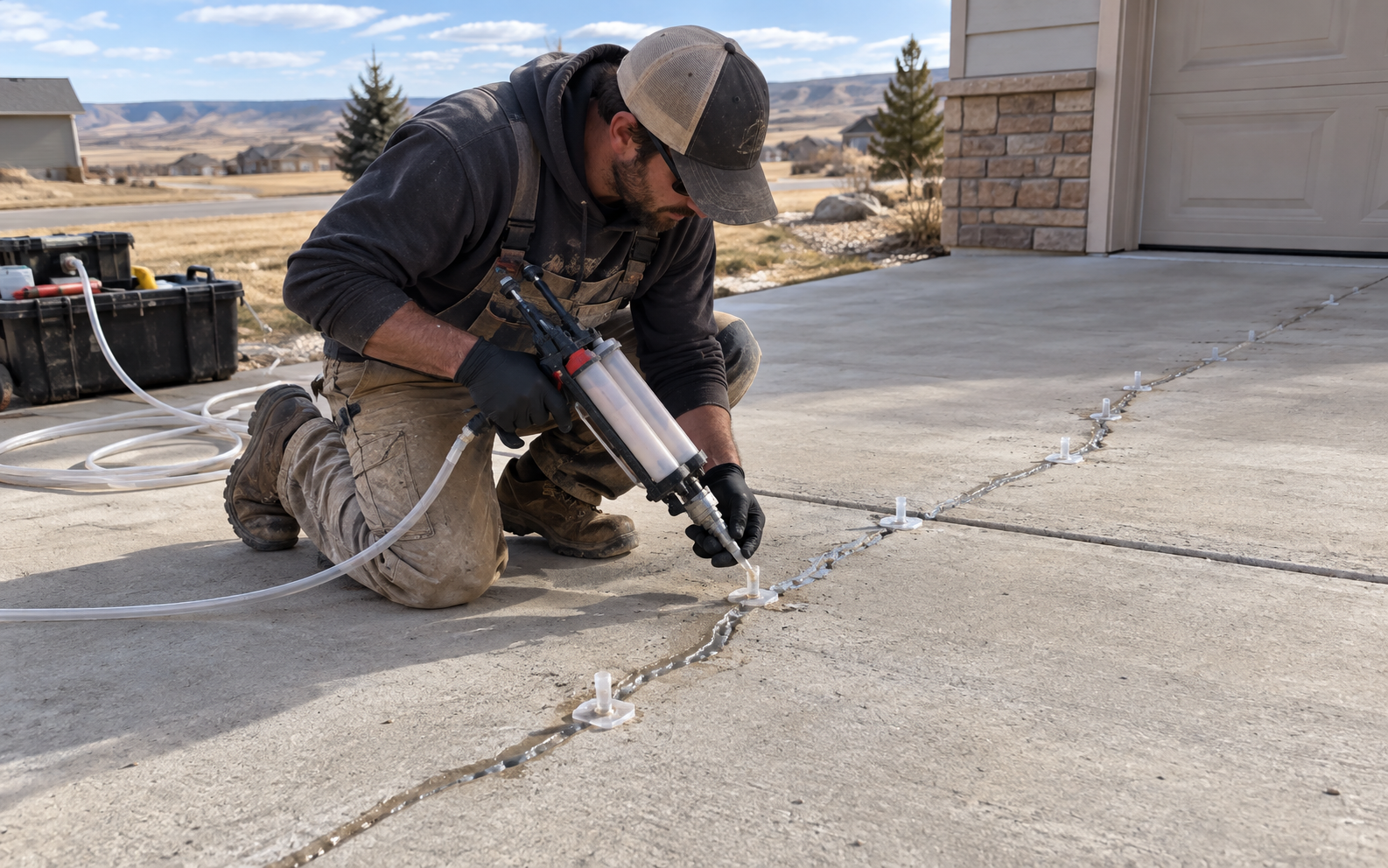
Concrete contractor performing epoxy injection crack repair on a Casper Wyoming driveway

How to Prevent Concrete Cracks in Casper


Prevention happens at four stages: mix, timing, joints, and curing. Skipping any one is where most cracks start.


Mix Design and Reinforcement


The concrete mix has to match local conditions. For Casper, air entrainment is non-negotiable, per Portland Cement Association guidance on concrete durability.


Key mix decisions:


  • 5 to 7 percent air entrainment for freeze-thaw protection
  • Water-cement ratio of 0.45 to 0.50
  • 3,500 to 4,000 psi for driveways
  • Steel or fiber mesh in high-stress areas


Pouring Time and Weather Management


Casper's short pour season does not forgive timing mistakes. Our guide on the best time to pour concrete in Casper walks through the full seasonal window.


Weather measures:


  • Morning pours during summer heat
  • Evaporation retarders on windy days
  • No pours when overnight lows drop below 40 F


Control Joints Done Right


Control joints give concrete a planned place to crack. If you do not cut them, the slab will crack somewhere you did not want.


Joint guidelines:


  • Spacing of 2 to 3 times slab thickness in feet
  • Cut within 6 to 24 hours of placement
  • Joint depth of 1/4 the slab thickness
  • Expansion joints where new meets existing


Curing and First-Year Care


Curing is where good concrete most often goes bad. The slab needs steady moisture the first week to reach full strength. For winter pours, our companion article on pouring concrete in winter in Casper covers the full cold-weather system.


Proper cure checklist:


  • Curing compound applied immediately after finishing
  • Wet burlap or plastic sheeting for 7 days minimum
  • Protection from freezing the first 72 hours
  • Zero deicing salts the first full winter
WORRIED ABOUT A GROWING CRACK? GET A FREE ASSESSMENT

What to Do When Concrete Starts Cracking


Repair options depend on crack width, cause, and location. The right fix matches the crack type; getting it wrong can make the problem worse.


Common fixes by crack type:


  • Hairline cosmetic: surface sealer every few years
  • Narrow under 1/4 inch: polyurethane or epoxy sealant
  • Wider cracks, no displacement: professional epoxy injection
  • Offset or active growth: contractor assessment
  • Structural cracks in foundations: engineering evaluation


Catching a growing crack early is almost always cheaper than waiting until replacement is the only option. Full Contact Concrete handles Casper concrete installation and repair. 

Frequently Asked Questions

  • Is it normal for new concrete to crack within a year in Casper?

    Yes, within limits. Hairline shrinkage cracks under 1/8 inch wide are normal and do not affect long-term performance. Anything wider, or showing displacement, is worth a professional look.

  • Do deicing salts cause concrete cracks in Casper?

    Yes. Chloride-based deicing salts accelerate freeze-thaw damage and surface scaling. Avoid all deicing products the first full winter after a pour; use sand or calcium magnesium acetate instead of rock salt later.

  • Can I seal concrete cracks myself or should I call a contractor?

    Hairline surface cracks can be sealed with a quality polyurethane or epoxy sealant from a hardware store. Anything wider than 1/4 inch, cracks with displacement, or any crack in load-bearing concrete needs a contractor.

  • How wide does a concrete crack need to be before I worry?

    Width over 1/4 inch, vertical displacement, active widening, and water seepage all signal a crack that needs attention. A hairline crack without those traits is almost always cosmetic.

Preventing Concrete Cracks Starts at the Pour


Every crack has a cause, and most trace back to decisions made before the slab was poured. Mix design, timing, control joint layout, and curing all shape how long a slab lasts here.


Full Contact Concrete has been pouring and repairing concrete across Casper for 14 years. Contact us today for a free estimate on new installation or an assessment of existing concrete.

REQUEST A FREE ESTIMATE CALL US NOW
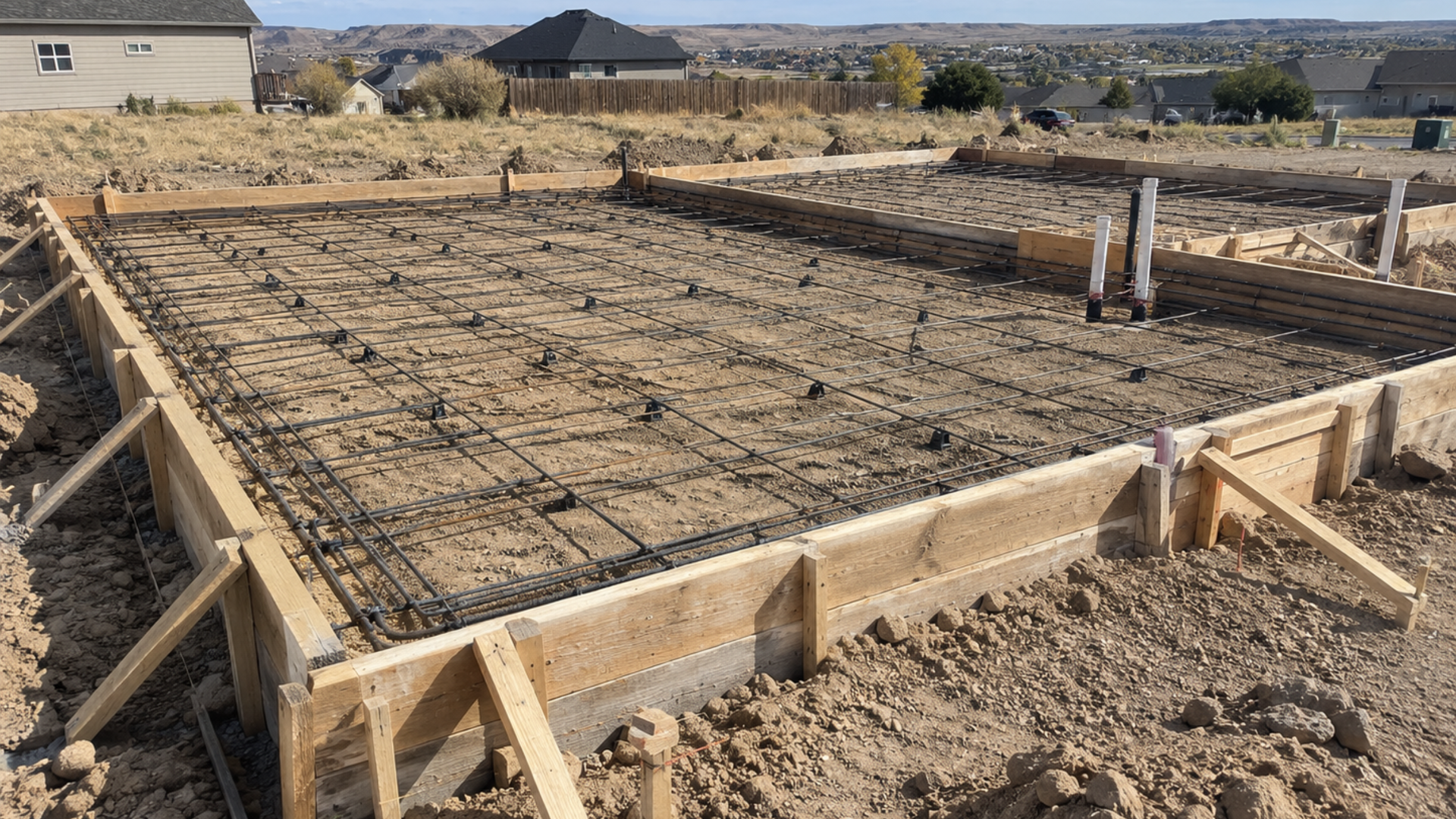
Concrete foundation forms and rebar staged for pour in Casper, Wyoming with residential lot
September 23, 2026
Planning a new foundation in Casper, WY? Compare full basement, crawl space, and slab-on-grade costs, plus permits, timing, and frost depth requirements.
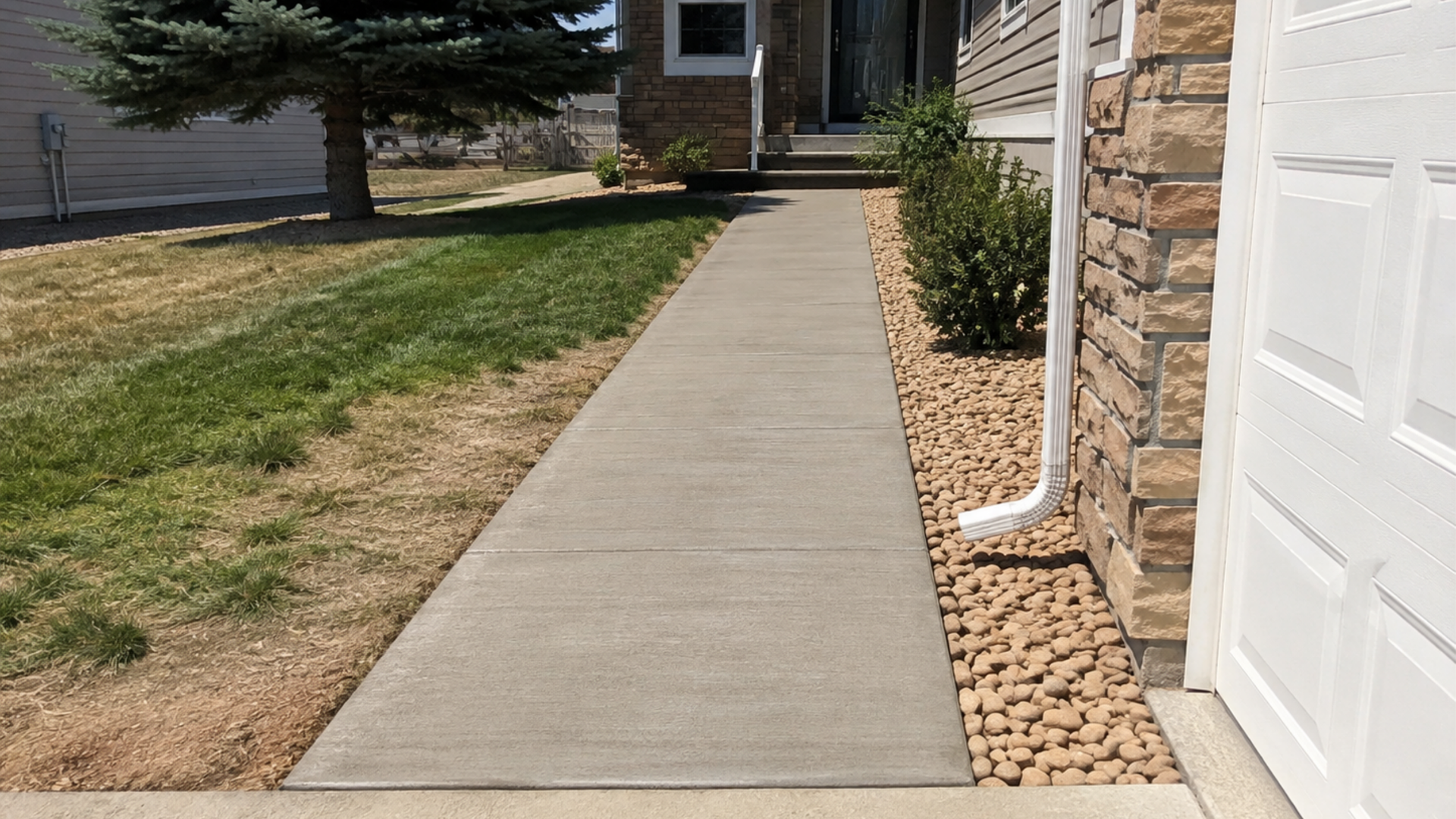
Finished concrete walkway leading to a residential home in Casper Wyoming
August 28, 2026
Planning a concrete walkway in Casper, WY? Learn 2026 costs, design options, permit rules, finish choices, and what can affect your final estimate.
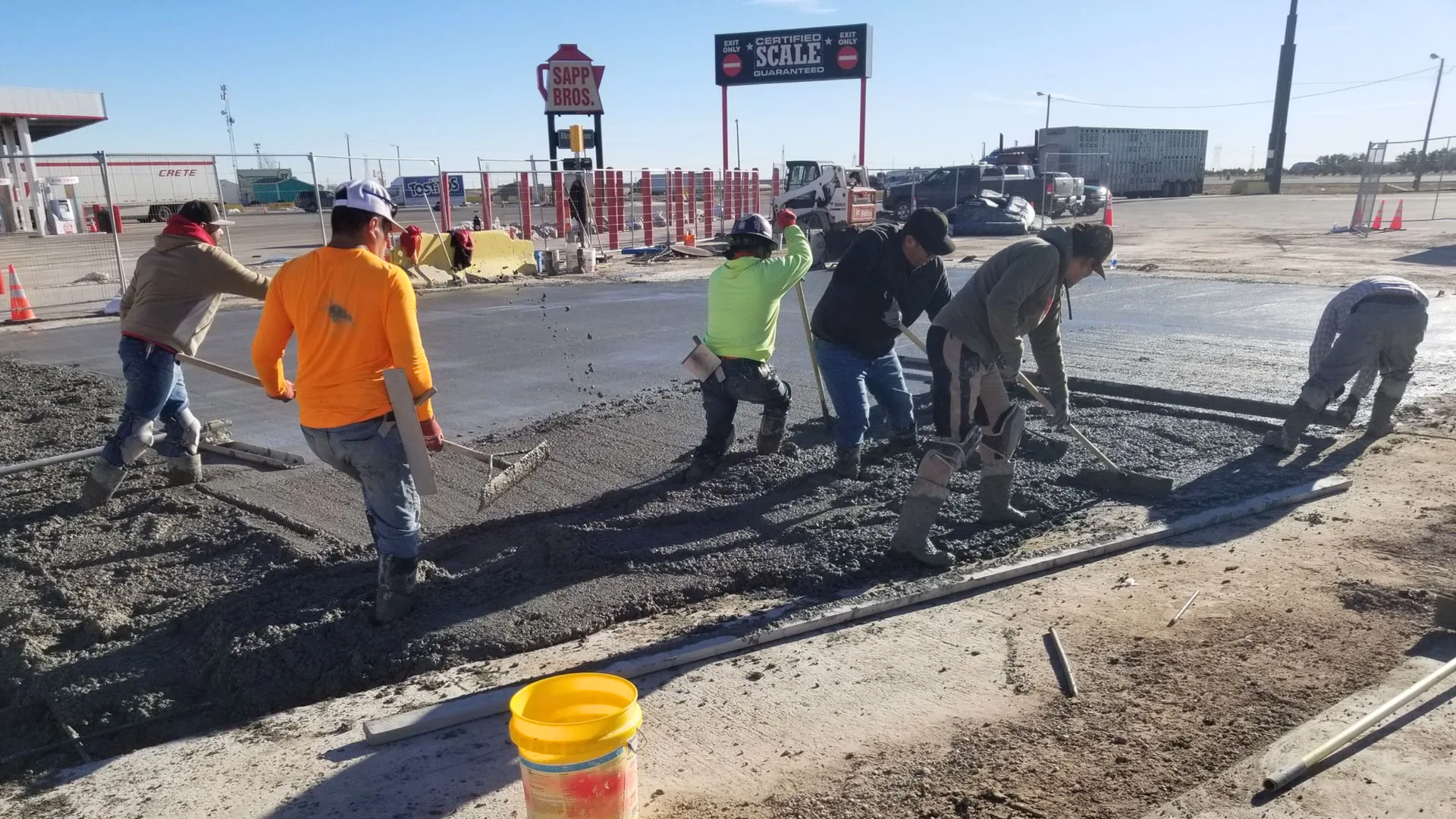
Wide shot of an active concrete jobsite in a Casper residential neighborhood
August 17, 2026
Do you need a permit for concrete work in Casper, WY? Full Contact Concrete covers city vs county rules, curb cut permits, exemptions, fees, and fines.
Winter concrete pour in Casper, Wyoming protected by insulating blankets and heated enclosure under
July 30, 2026
Can you pour concrete in winter in Casper, WY? Full Contact Concrete explains the physics, ACI 306 protection, cost impact, and when to wait for spring.
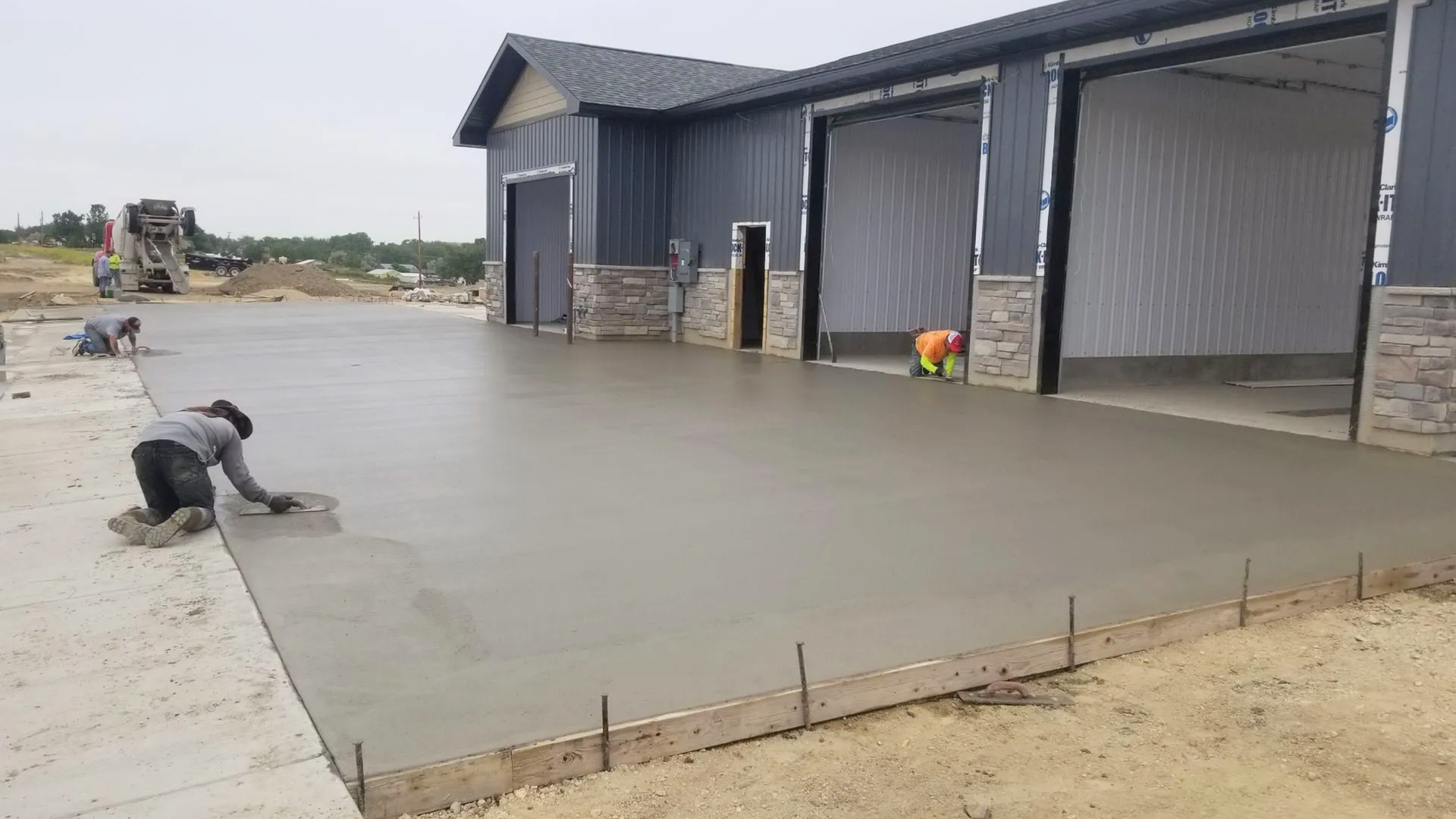
Freshly poured concrete driveway in Casper, Wyoming with mountain ridgeline in the background
July 17, 2026
Discover the best time to pour concrete in Casper, WY. Learn seasonal timing, ACI standards, and local wind and weather factors from Full Contact Concrete.
Full Contact Concrete crew completing a residential concrete project in Wyoming
June 1, 2026
Learn about Full Contact Concrete and our driveway, patio, foundation, slab, sidewalk, and decorative concrete services across Wyoming.